
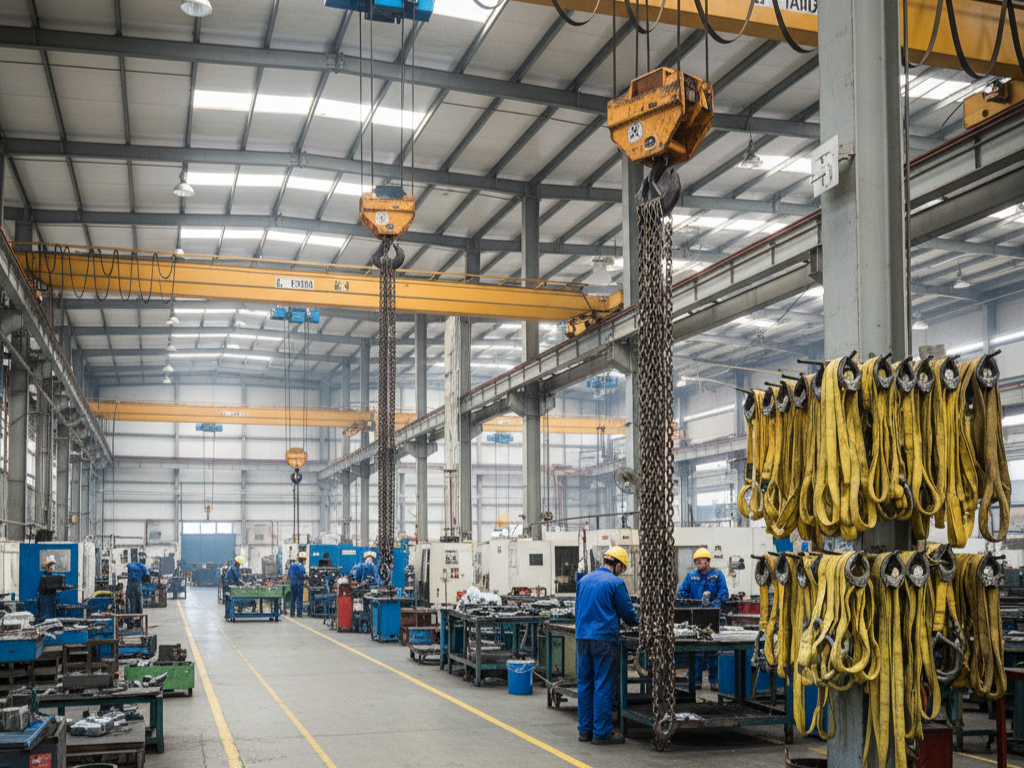
The Rising Importance of Rigging Gear Safety
In modern manufacturing facilities, rigging gear plays a vital role in lifting, moving, and securing heavy loads. From chains and hooks to slings and shackles, this equipment ensures efficiency in material handling. However, the same tools that enable productivity can also pose serious risks when not properly maintained, inspected, or used correctly.
Accidents involving rigging gear are not only costly but also dangerous, putting both workers and equipment at risk. They can lead to production delays, damage to valuable assets, and severe injuries.
Common Types of Rigging Gear Accidents
Rigging gear accidents typically occur when safety standards are overlooked, equipment is worn out, or operational practices are improper. The most common incidents include:
- Equipment Failure: Slings, chains, or hooks that are damaged or overloaded may snap under pressure, causing dropped loads and potential harm to workers nearby.
- Load Shifts: Incorrectly balanced or secured loads can shift during lifting, leading to instability and unexpected falls.
- Improper Use: Using the wrong type of rigging gear for a task, or ignoring manufacturer specifications, often results in accidents that could have been prevented.
- Lack of Inspection: Small cracks, corrosion, or worn parts may go unnoticed without routine inspection. Over time, these weaknesses develop into major hazards.
- Human Error: Inadequate training, poor communication, or rushing through procedures can all contribute to rigging-related accidents.
How to Reduce Rigging Gear Accidents
Preventing accidents requires a proactive approach that combines proper equipment care, operational discipline, and regulatory compliance. Manufacturers can significantly reduce risks by implementing the following measures:
- Regular Inspection and Maintenance: Establish a strict inspection schedule to identify wear, cracks, or deformities in rigging gear before they cause accidents.
- Load Capacity Control: Always use rigging gear within its rated capacity and ensure loads are balanced to prevent tipping or shifting.
- Proper Training: Equip workers with comprehensive training on rigging practices, including safe handling techniques and emergency procedures.
- Correct Equipment Selection: Match the right type of rigging gear to the job at hand—whether it’s wire ropes, slings, or shackles—to ensure safety and efficiency.
- Certification and Compliance: Work only with certified rigging gear and partner with professional inspectors to ensure compliance with safety regulations.
Conclusion
Rigging gear equipment is critical in the manufacturing industry, so when accidents occur, the impact can be devastating. Understanding the types of accidents that commonly occur and taking preventive measures is essential to maintaining workplace and operational safety. Rigging gear equipment safety is not just about passing inspections, but about having peace of mind that your operations are protected.
Let PT Goutama Weight & Testing be that partner —guiding your facility toward safer lifts, compliant equipment, and smoother operations. Contact us now!
📩 sales-indo@goutama.biz | sales-jakarta@goutama.biz
📞0811-6932-011 | 0811-169-
 English
  Indonesian