
Understanding the Definition, Testing Process, Inspection Methods, and Applicable Standards
Introduction
In shipping, logistics, and offshore operations, containers are more than storage units—they are critical load-bearing structures used to transport valuable cargo under extreme conditions. Container load testing ensures that a container is capable of safely handling the loads it is designed for, while maintaining structural stability and compliance with standards.
What Is Container Load Testing?
Container load testing refers to a series of evaluations that simulate real-world load conditions to verify the container’s structural strength, lifting capability, and stability. It ensures that the container can withstand static and dynamic loads during lifting, stacking, and transportation.
How Container Load Testing Is Conducted
- Pre-Inspection: Checking corner castings, doors, panels, and top rails Inspecting welds for cracks or corrosion Ensuring proper alignment and structural integrity
- Static Load Testing: Static loading evaluates the container’s ability to bear maximum rated loads without permanent deformation
- Dynamic Load Testing: This involves applying variable or shock loads to simulate real-life scenarios such as lifting operations, stacking impacts, or sudden movements during transportation.
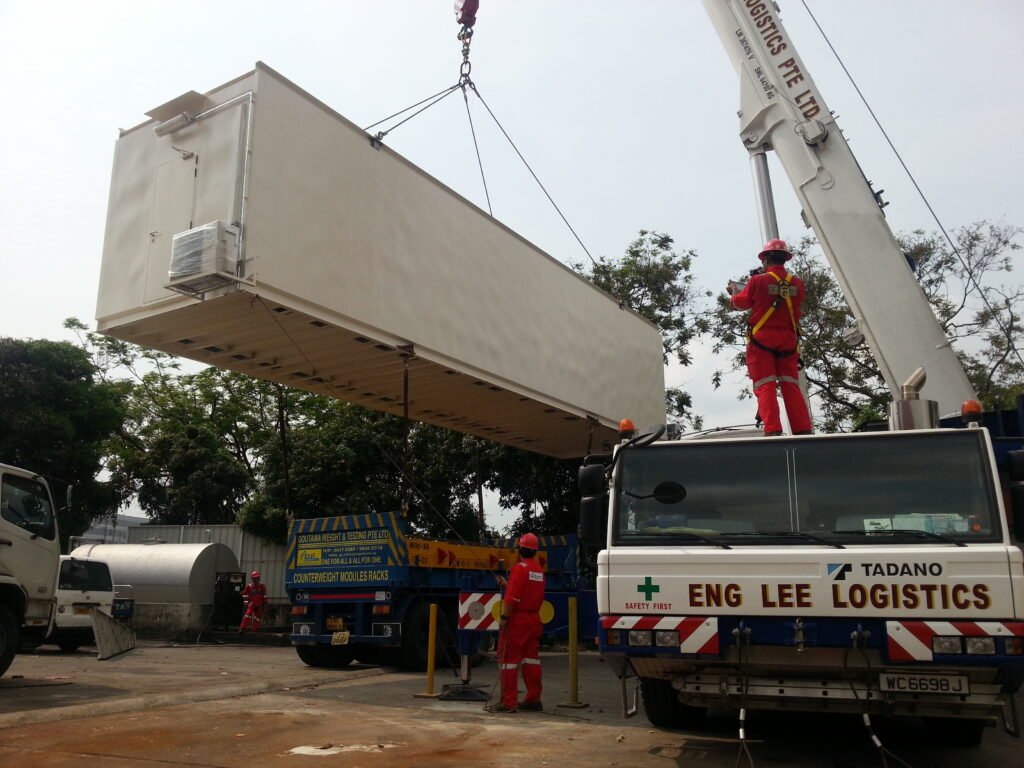
- Lifting Test: To ensures it can handle the weight safely during crane operations.
- Documentation and Reporting: Once testing is complete, inspectors provide: Load test certificates Structural integrity reports Calibration and compliance records Recommendations for repair or re-certification
Inspection Methods Used in Container Load Testing
Inspection methods combine visual checks and mechanical testing to identify structural issues::
- Visual Inspection
- Non-Destructive Testing (Optional)
- Load Measurement Instruments
- Functional Testing
Standards for Container Load Testing
Container load testing follows globally recognized standards to ensure safety and regulatory compliance:
- ISO 1496 / ISO 668 – Defines container dimensions, ratings, and testing requirements
- CSC (Convention for Safe Containers) – International safety standard for structural testing and inspection
- DNV-ST-0378 – Certification for offshore containers and portable units
- IMDG Code – For containers transporting dangerous goods
- IICL Guidelines – Repair and inspection criteria
When it comes to container integrity and lifting safety, experience matters.
Get your containers professionally load tested by Goutama Weight & Testing. Contact us now!
📩sales-indo@goutama.biz | sales-jakarta@goutama.biz
📞0811-6932-011 | 0811-169-631
 English
  Indonesian