
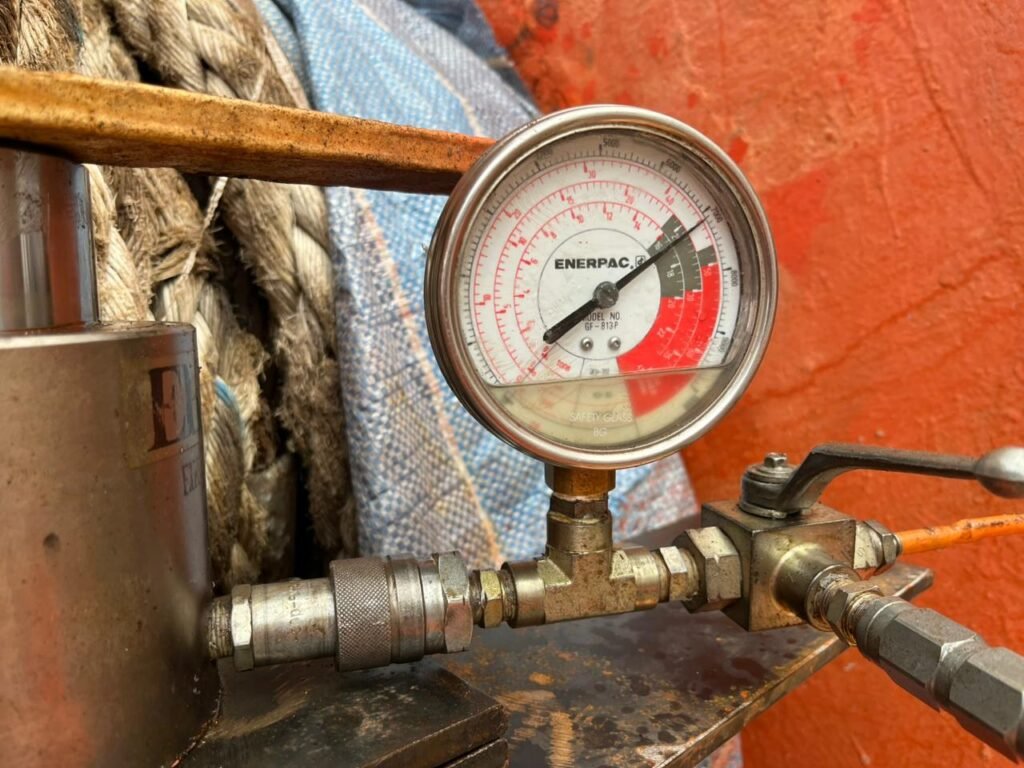
Introduction: The Silent Risk of Load Holding System Failure
Ship winches play a vital role in lifting, pulling, and controlling loads across various marine operations. Because these systems are constantly exposed to heavy load demands, harsh weather, vibration, and corrosion, their braking performance and load-handling capability must be verified regularly.
Many QHSE managers understand that the most common failures, for example uncontrolled load slip, overheating brakes, or sudden stop malfunctions can often be traced back to inadequate brake tests and improper winch load testing procedures.
Why the Brake System is Your Winch’s Most Critical Component
The brake system is the ultimate safeguard. It is designed to hold the load securely when the power is disengaged. Regular brake tests help ensure:
- Consistent holding power during load and static conditions
- Prevention of load drift or unexpected movement
- Identification of worn friction linings before they lead to failure
- Compliance with QHSE policies and international maritime standards
- Reliable performance in harsh offshore environments
Brake testing ensures that the winch is capable of maintaining full control during normal and emergency conditions.
Load Testing: The Gold Standard for Winch Integrity
While the brake test focuses on one critical component, comprehensive load testing (or Proof Load Testing) validates the structural integrity and operational functionality of the entire system under controlled conditions
The Procedure of Proof Load Testing
- Preparation: The winch must be thoroughly inspected for visual defects, corrosion, and wear before any load is applied.
- Application of Proof Load: A test weight, typically 125% of the Safe Working Load (SWL), is applied statically to the winch. Statutory regulations often mandate this factor for lifting equipment.
- Dynamic Test: The winch is operated (hoisted and lowered) with the SWL to check the performance of the motor, gearbox, and all load-bearing components under movement. This is a crucial element of dynamic load testing to ensure a reliable ship winch operation.
- Post-Test Inspection: After the test load is removed, the winch is again subjected to a visual inspection for any signs of permanent deformation, cracks, or other stress-related damage.
Best Practices for Ship Winch Inspection
To maintain operational readiness, crews and QHSE managers should follow these best practices:
- Conduct Scheduled Brake Tests
- Execute Periodic Load Testing
- Inspect Critical Components
- Document All Tests for QHSE Compliance
- Use Certified Third-Party Testing Providers
Ensure Your Safety: Partner with Certified Experts
The reliability of your load holding system is non-negotiable. Do not guess the condition of your winch brakes or structural components. Ensure regulatory compliance and safeguard your personnel and assets by partnering with certified specialists for your inspection and testing needs.
Contact Goutama Weight & Testing today to schedule your statutory inspection and Proof Load Testing
📩sales-indo@goutama.biz | sales-jakarta@goutama.biz
📞0811-6932-011 | 0811-169-631
 English
  Indonesian