
Uji Beban Wheel Loader: Mengapa Hal Ini Penting bagi Keselamatan Operasional?
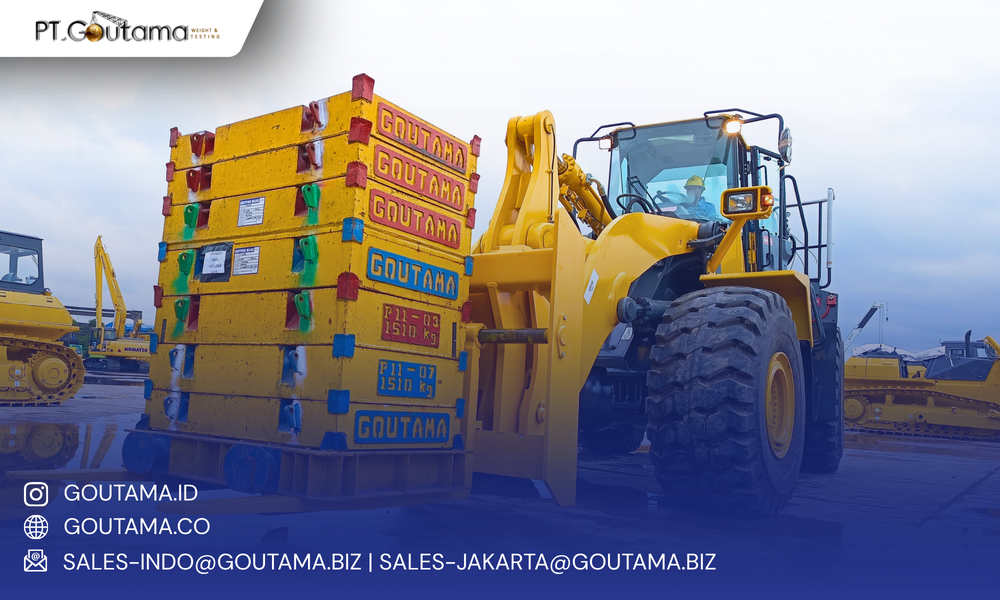
Wheel loader adalah alat berat yang digunakan untuk memuat material seperti batu bara, tanah, pasir, atau bijih ke dalam truk pengangkut atau konveyor. Dilengkapi dengan bucket besar di bagian depan yang dapat diganti atau disesuaikan untuk berbagai jenis pekerjaan, alat ini dirancang untuk proses pemuatan yang efisien selama siklus kerja yang cepat, terutama di medan dengan permukaan yang padat atau keras.
Wheel loaders are often used on projects with extreme conditions to move large volumes of material every day, making it essential for this heavy equipment to operate flexibly and efficiently across various types of terrain. But the question is: does its performance still meet the standards? This is where wheel loader load testing becomes absolutely crucial.
Uji Beban: Cara Memastikan Wheel Loader Anda Siap Digunakan!
Uji beban wheel loader adalah proses untuk memastikan bahwa alat berat tersebut mampu mengangkat dan memindahkan beban secara aman sesuai dengan kapasitas desainnya sebelum dioperasikan.
Tes ini biasanya mencakup:
- Simulasi beban kerja yang sebenarnya
- Pengukuran stabilitas mesin
- Evaluasi kinerja sistem hidraulik
- Verifikasi struktur utama (rangka dan bucket)
Oleh karena itu, penting untuk:
1. Menjamin keselamatan operator: Loader roda yang kelebihan muatan atau tidak stabil dapat menyebabkan kecelakaan serius, seperti terguling
2. Menjaga kinerja peralatan: Uji beban membantu memastikan bahwa wheel loader dapat beroperasi secara optimal tanpa mengalami kelebihan beban
3. Mencegah kerusakan parah dan gangguan operasional: Mendeteksi potensi kerusakan lebih dini membantu menghindari gangguan operasional
Prosedur Uji Beban Wheel Loader
1. Pemeriksaan Awal (Pemeriksaan Pra-Uji)
Pemeriksaan menyeluruh terhadap kondisi unit, termasuk rangka utama, bucket, sistem penghubung, sistem rem, dan sistem hidraulik. Pemeriksaan ini mencakup pengecekan adanya deformasi, retakan, kebocoran cairan, serta keausan pada pin dan bushing.
2. Verifikasi Spesifikasi dan Penentuan Beban Uji
Beban yang digunakan umumnya berkisar antara persentase tertentu dari kapasitas terukur (misalnya, 100% hingga 125%, tergantung pada standar yang digunakan). Beban tersebut dapat berupa material sebenarnya atau beban simulasi yang telah dikalibrasi, seperti bank beban atau pemberat.
3. Melakukan Uji Beban (Uji Statis dan Uji Dinamis)
Dalam uji statis, buckets diangkat dengan beban tertentu dan ditahan pada posisi tertentu untuk mengevaluasi stabilitas dan integritas strukturalnya. Dalam uji dinamis, siklus operasional seperti pengangkatan, pergerakan, dan pembuangan disimulasikan untuk mengamati respons sistem hidraulik, distribusi beban, serta perilaku alat berat tersebut selama pengoperasian.
4. Dokumentasi dan Rekomendasi
Semua hasil pengujian didokumentasikan dalam laporan resmi yang memuat data teknis, kondisi peralatan, serta kesimpulan mengenai hasil pengujian tersebut. Apabila ditemukan adanya anomali atau ketidaksesuaian, akan diberikan rekomendasi tindakan korektif atau langkah-langkah tindak lanjut sebelum peralatan tersebut dinyatakan aman untuk dioperasikan kembali.
Kesimpulan
Pengujian beban wheel loader merupakan salah satu langkah yang diambil untuk memastikan praktik kerja yang aman dan menjaga kelancaran operasi. Pastikan alat berat Anda aman dan memenuhi standar industri. Percayakan kebutuhan pengujian beban wheel loader Anda kepada tim profesional yang berpengalaman luas.
Contact Goutama Weight & Testing today for a consultation and to schedule load testing throughout Indonesia
📩sales-indo@goutama.biz | sales-jakarta@goutama.biz
📞0811-6932-011 | 0811-169-631
 Indonesian
  English